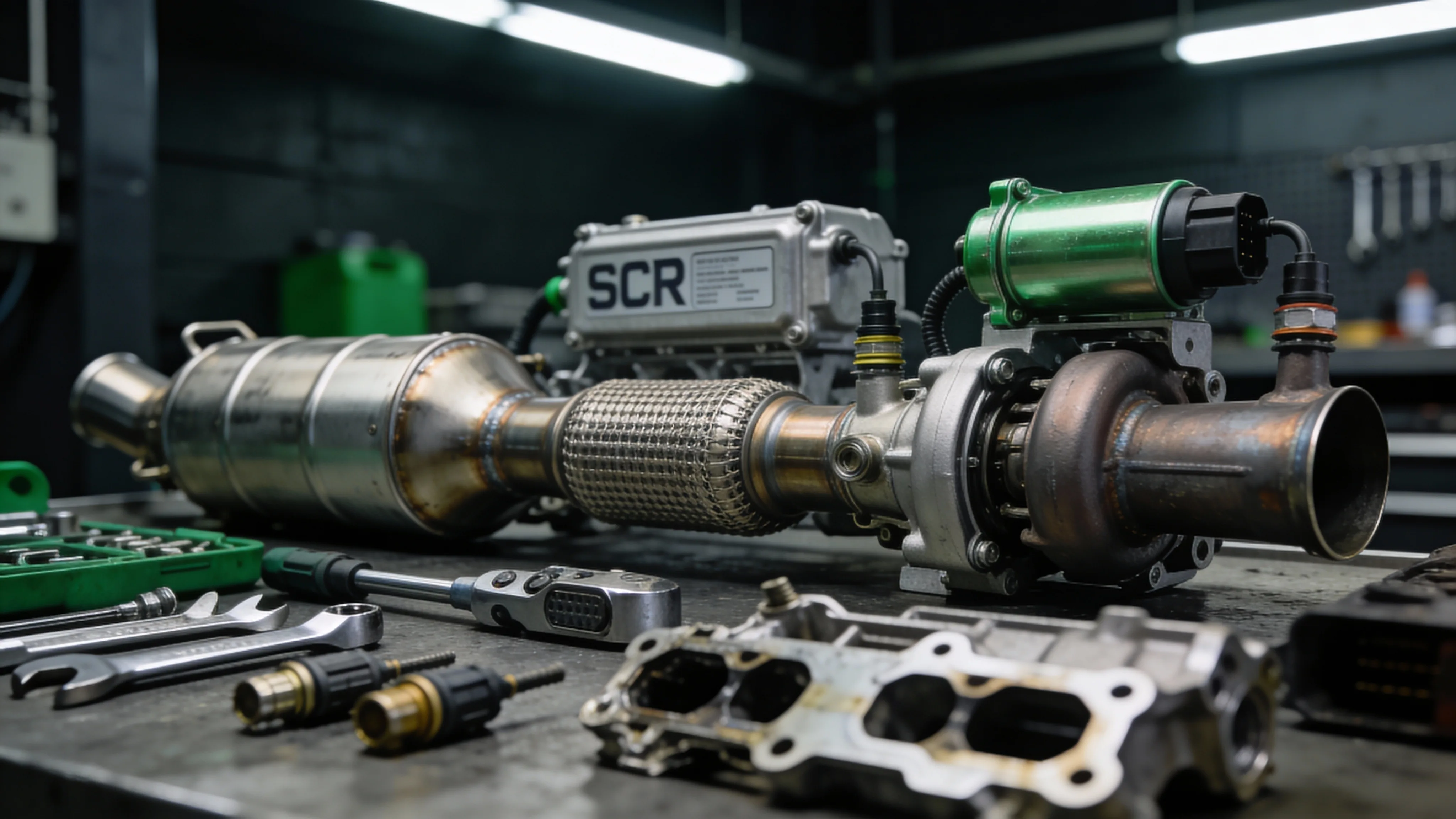
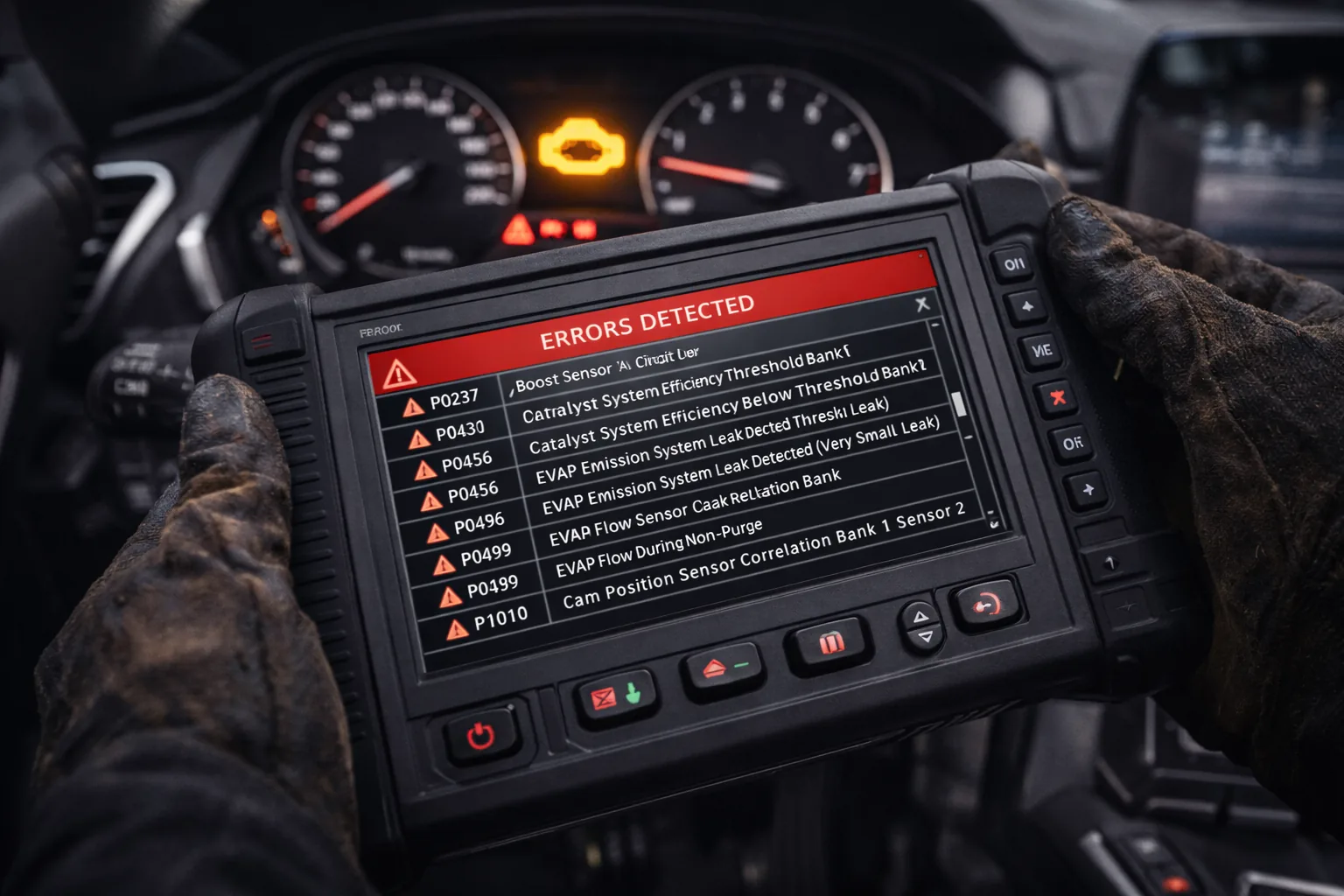
Introducción
.html-content-wrapper .imported-article{ --bg: #f7faf8; --card: #ffffff; --ink: #1a1a1a; --muted: #5a5a5a; --accent: #1e7b34; --accent-light: #28a745; --accent-2: #1a5e4a; --line: #d8e5df; --line-light: #e8f0eb; --shadow: 0 4px 24px rgba(0,0,0,0.06); --shadow-lg: 0 12px 48px rgba(0,0,0,0.08); --radius: 12px; --radius-sm: 8px; } .html-content-wrapper .imported-article *{ box-sizing: border-box; margin: 0; padding: 0; } .html-content-wrapper .imported-article{ font-size: 16px; scroll-behavior: smooth; } .html-content-wrapper .imported-article{ font-family: "Source Serif Pro", "Charter", "Georgia", serif; color: var(--ink); background: var(--bg); line-height: 1.75; font-weight: 400; -webkit-font-smoothing: antialiased; -moz-osx-font-smoothing: grayscale; } .html-content-wrapper .imported-article a{ color: var(--accent-2); text-decoration: none; transition: color 0.2s ease; } .html-content-wrapper .imported-article a:hover{ color: var(--accent); text-decoration: underline; } .html-content-wrapper .imported-article .container{ max-width: 800px; margin: 0 auto; padding: 40px 24px 80px; } .html-content-wrapper .imported-article /* Header / Hero */ .hero{ background: linear-gradient(135deg, #fff 0%, var(--line-light) 100%); border: 1px solid var(--line); border-radius: var(--radius); padding: 40px 36px; margin-bottom: 32px; box-shadow: var(--shadow); } .html-content-wrapper .imported-article .badge{ display: inline-flex; align-items: center; font-family: "Inter", "Helvetica Neue", Arial, sans-serif; font-size: 0.75rem; font-weight: 600; letter-spacing: 0.05em; text-transform: uppercase; color: var(--accent); background: rgba(30, 123, 52, 0.08); padding: 8px 14px; border-radius: 20px; margin-bottom: 20px; } .html-content-wrapper .imported-article .meta{ display: flex; align-items: center; gap: 16px; font-family: "Inter", "Helvetica Neue", Arial, sans-serif; font-size: 0.875rem; color: var(--muted); margin-bottom: 16px; } .html-content-wrapper .imported-article .meta-item{ display: flex; align-items: center; gap: 6px; } .html-content-wrapper .imported-article h1{ font-family: "Merriweather", "Georgia", "Times New Roman", serif; font-size: 2.25rem; font-weight: 900; line-height: 1.2; letter-spacing: -0.02em; color: var(--ink); margin-bottom: 16px; } .html-content-wrapper .imported-article .subtitle{ font-size: 1.125rem; color: var(--muted); line-height: 1.6; max-width: 90%; } .html-content-wrapper .imported-article /* Table of Contents */ .toc{ margin-top: 28px; padding: 24px; background: rgba(255,255,255,0.7); border: 1px solid var(--line); border-radius: var(--radius-sm); } .html-content-wrapper .imported-article .toc-title{ font-family: "Inter", "Helvetica Neue", Arial, sans-serif; text-transform: uppercase; letter-spacing: 0.08em; font-size: 0.75rem; font-weight: 600; color: var(--accent); margin-bottom: 12px; } .html-content-wrapper .imported-article .toc ul{ list-style: none; } .html-content-wrapper .imported-article .toc li{ margin: 8px 0; font-family: "Inter", "Helvetica Neue", Arial, sans-serif; font-size: 0.9rem; } .html-content-wrapper .imported-article .toc a{ color: var(--ink); } .html-content-wrapper .imported-article .toc a:hover{ color: var(--accent); } .html-content-wrapper .imported-article .toc .toc-sub{ margin-left: 20px; font-size: 0.85rem; color: var(--muted); } .html-content-wrapper .imported-article /* Article Content */ .article{ background: var(--card); border-radius: var(--radius); border: 1px solid var(--line); padding: 48px 40px; box-shadow: var(--shadow); } .html-content-wrapper .imported-article .article h2{ font-family: "Merriweather", "Georgia", "Times New Roman", serif; font-size: 1.625rem; font-weight: 700; margin: 2.5rem 0 1rem; padding-top: 1.5rem; border-top: 1px solid var(--line-light); color: var(--ink); letter-spacing: -0.01em; } .html-content-wrapper .imported-article .article h2:first-child{ margin-top: 0; padding-top: 0; border-top: none; } .html-content-wrapper .imported-article .article h3{ font-family: "Merriweather", "Georgia", "Times New Roman", serif; font-size: 1.25rem; font-weight: 700; margin: 1.75rem 0 0.75rem; color: var(--ink); } .html-content-wrapper .imported-article .article p{ margin: 1rem 0; font-size: 1.0625rem; } .html-content-wrapper .imported-article .article ul, .html-content-wrapper .imported-article .article ol{ margin: 1rem 0 1.25rem 1.5rem; } .html-content-wrapper .imported-article .article li{ margin: 0.5rem 0; font-size: 1.0625rem; } .html-content-wrapper .imported-article .article li::marker{ color: var(--accent); } .html-content-wrapper .imported-article .article strong{ font-weight: 600; color: var(--ink); } .html-content-wrapper .imported-article .article hr{ border: none; height: 1px; background: var(--line-light); margin: 2rem 0; } .html-content-wrapper .imported-article /* Tags */ .tags{ margin-top: 3rem; padding-top: 2rem; border-top: 1px solid var(--line); } .html-content-wrapper .imported-article .tags h2{ font-family: "Inter", "Helvetica Neue", Arial, sans-serif; font-size: 0.875rem; font-weight: 600; text-transform: uppercase; letter-spacing: 0.05em; color: var(--muted); margin-bottom: 12px; border: none; padding: 0; } .html-content-wrapper .imported-article .tag-list{ list-style: none; display: flex; flex-wrap: wrap; gap: 8px; } .html-content-wrapper .imported-article .tag-list li{ font-family: "Inter", "Helvetica Neue", Arial, sans-serif; background: var(--line-light); border: 1px solid var(--line); border-radius: 20px; padding: 6px 14px; font-size: 0.8125rem; font-weight: 500; color: var(--muted); transition: all 0.2s ease; } .html-content-wrapper .imported-article .tag-list li:hover{ background: rgba(30, 123, 52, 0.08); border-color: var(--accent); color: var(--accent); } .html-content-wrapper .imported-article /* Footer */ .footer{ text-align: center; font-family: "Inter", "Helvetica Neue", Arial, sans-serif; color: var(--muted); font-size: 0.875rem; margin-top: 40px; padding-top: 24px; border-top: 1px solid var(--line); } .html-content-wrapper .imported-article .footer a{ color: var(--accent); font-weight: 500; } .html-content-wrapper .imported-article /* Responsive */ @media (max-width: 768px){ .container { padding: 24px 16px 60px; } .hero { padding: 28px 24px; } h1 { font-size: 1.75rem; } .article { padding: 32px 24px; } .article h2 { font-size: 1.375rem; } .article p, .article li { font-size: 1rem; } .meta { flex-wrap: wrap; gap: 10px; } } .html-content-wrapper .imported-article /* Print styles */ @media print{ .toc, .tags, .badge, .footer { display: none; } .hero, .article { box-shadow: none; border: none; } body { font-size: 12pt; } } .html-content-wrapper .imported-article .container{max-width:100%;padding:0;margin:0;} ReproRACE - Guia tecnica Por ReproRACE 10 min de lectura Códigos de error del sistema AdBlue Códigos de error del sistema AdBlue Contenido Explicación del sistema Funcionamiento electrónico Errores / DTC (si aplica) P20E8 — Presión reductante baja P20E9 — Presión reductante alta P204F — Rendimiento sistema reductante P20EE — Eficiencia NOx por debajo del umbral P207F — Calidad del reductante fuera de rango P202E — Rendimiento inyector reductante P204C — Circuito inyector reductante P20BD — Rendimiento calefactor reductante P2200 — Circuito sensor NOx P229F — Rango sensor NOx Relación con otros sistemas Errores comunes de diagnóstico Por qué borrar errores no soluciona nada Cómo se diagnostica profesionalmente Validación en uso real Impacto en mantenimiento preventivo Modelos internos y plausibilidad Gestión de riesgos y degradado Análisis técnico complementario Conclusión Introducción El usuario llega a estos códigos buscando una explicación concreta. En mercados globales, DTC AdBlue genera alta demanda porque los DTC impactan emisiones y rendimiento. En ReproRACE abordamos DTC AdBlue desde la ingeniería: cada DTC es un síntoma que debe interpretarse con datos reales. Explicación del sistema El SCR existe para reducir emisiones y cumplir normativas en distintos mercados. Su objetivo no es solo filtrar o recircular, sino mantener la estabilidad térmica y el rendimiento del motor. El contexto normativo es clave: normativa NOx. Esto obliga a la ECU a validar eficiencia con monitores OBD y estrategias de plausibilidad. En motores modernos, el control de DTC AdBlue está integrado en la lógica de par y en los modelos internos. Funcionamiento electrónico La ECU trabaja con modelos internos que estiman flujo, temperatura y eficiencia. No reacciona a piezas, sino a señales. Sensores implicados en la validación electrónica: Sensor de NOx antes y después del SCR: evalúa eficiencia. Sensor de presión reductante: valida dosificación. Sensor de calidad reductante: detecta concentración. Sensor de temperatura de gases: condiciona la reacción. Sensor de nivel de reductante: informa disponibilidad. Sensor MAF/MAP: relaciona carga y estrategia. Sensor de refrigerante: define ventanas de activación. La ECU compara señales cruzadas y valida plausibilidad antes de completar el monitor OBD. Errores / DTC (si aplica) Listado estructurado con explicación técnica de cada código. P20E8 — Presión reductante baja | P20E9 — Presión reductante alta | P204F — Rendimiento sistema reductante | P20EE — Eficiencia NOx por debajo del umbral | P207F — Calidad del reductante fuera de rango | P202E — Rendimiento inyector reductante | P204C — Circuito inyector reductante | P20BD — Rendimiento calefactor reductante | P2200 — Circuito sensor NOx Qué detecta la ECU: La ECU valida reducción de NOx y presión/dosificación del sistema SCR. Por qué se genera: Aparece cuando la reducción real no coincide con el modelo o la presión cae. Causas reales: Bomba débil, inyectores obstruidos, fluido incorrecto o sensor NOx degradado. Falsos positivos: Temperatura fuera de ventana o cristalización del fluido. P229F — Rango sensor NOx Qué detecta la ECU: La ECU valida reducción de NOx y presión/dosificación del sistema SCR. Por qué se genera: Aparece cuando la reducción real no coincide con el modelo o la presión cae. Causas reales: Bomba débil, inyectores obstruidos, fluido incorrecto o sensor NOx degradado. Falsos positivos: Temperatura fuera de ventana o cristalización del fluido. Relación con otros sistemas Estos DTC no aparecen aislados. Se relacionan con turbo, inyección, mezcla y estrategias térmicas. Una desviación en aire o combustible altera el comportamiento del sistema y la generación de códigos. Errores comunes de diagnóstico Leer el código sin revisar datos reales ni freeze frame. Sustituir componentes sin validar sensores y cableado. Ignorar historial de regeneraciones o ciclos OBD. Interpretar un DTC como fallo definitivo y no como síntoma. No verificar condiciones térmicas de validación. Por qué borrar errores no soluciona nada Borrar errores solo reinicia el contador. Si la causa permanece, la ECU volverá a detectarla. Además, se pierde contexto útil para diagnosticar. Cómo se diagnostica profesionalmente Lectura de DTC con freeze frame. Verificación de sensores y señales críticas. Pruebas en carretera con logging. Comparación de valores reales con objetivos de la ECU. Confirmación de estrategias de regeneración o dosificación. El diagnóstico profesional interpreta la lógica del sistema y confirma con datos. Validación en uso real La validación en carretera confirma que el sistema mantiene estabilidad con diferentes cargas, temperaturas y estilos de conducción. Los logs permiten comparar valores reales con objetivos internos y detectar recortes por protección. Impacto en mantenimiento preventivo Estos sistemas dependen del mantenimiento: filtros limpios, sensores en buen estado y combustible correcto. Una calibración responsable incluye recomendaciones y seguimiento para evitar regeneraciones fallidas o acumulación de residuos. Modelos internos y plausibilidad La ECU valida plausibilidad comparando señales: aire frente a combustible, presión frente a carga y temperatura frente a tiempo de funcionamiento. Cuando el modelo interno no coincide con los datos, se generan DTC y estrategias de protección. Gestión de riesgos y degradado Cuando las emisiones se salen de rango, la ECU prioriza la normativa y activa modos degradados. Esta estrategia protege el sistema y evita incumplimientos legales. Análisis técnico complementario La evaluación requiere revisar coherencia de datos, validar estrategias de protección y confirmar comportamiento en uso real. Cuando los modelos internos no coinciden con los datos, la ECU prioriza la normativa y limita el par. Conclusión Códigos de error del sistema AdBlue exige interpretación técnica real. Los DTC son síntomas de incoherencia entre datos y modelos internos. En ReproRACE aplicamos diagnóstico avanzado y criterio de ingeniería para resolver códigos de emisiones con fiabilidad global. Etiquetas valvula EGR EGR sucia fallo EGR limpieza EGR anular EGR electronica motor diagnostico avanzado codigo error averia electronica taller especializado ReproRACE - ReproRACE - electronica del motor con criterio tecnico.