SCR / AdBlue system
AdBlue (SCR) delete by software
Software solution for competition, off-road use and countries where it is permitted. In Spain it is not legal to drive on public roads with the system deleted.
Find your distributorI'm a workshop: I want tuning files
SCR solution
We know that in some countries it is very difficult or impossible to get AdBlue. In addition, in those countries local regulations may allow driving with the system deactivated. In some circumstances, with very degraded or poor-quality fuel, deleting the system will be essential.
ReproRACE.com can delete the AdBlue system, contact us.

AdBlue system
The AdBlue system is an essential component of many modern diesel vehicles, designed to reduce nitrogen oxide (NOx) emissions and meet emission standards in various countries. However, this system can also have performance and reliability problems in some cases.
Definition and function of the AdBlue system:
The AdBlue system is a selective catalytic reduction (SCR) technology that uses a urea and water solution called AdBlue (DEF) to reduce NOx emissions in diesel vehicles. The AdBlue solution is injected into the exhaust system, where it reacts with nitrogen oxides and turns them into nitrogen and water vapor, which are less harmful to the environment and human health.
Problems associated with the AdBlue system:
The AdBlue system can cause engine and exhaust system problems because of the complexity of how it works and the possibility of component failures, such as the AdBlue injector, the SCR catalyst or the NOx sensor. These problems can lead to loss of power, exhaust system faults and potentially expensive breakdowns.
Benefits of deleting the AdBlue system:
- Simpler exhaust system: deleting the AdBlue system removes the need for the urea and water solution, which simplifies the exhaust system and reduces the likelihood of problems and breakdowns associated with these components.
- Lower maintenance costs: removing the AdBlue system can reduce long-term maintenance costs by eliminating the need to refill and maintain the AdBlue system and its related components.
- Elimination of potential faults and breakdowns: deleting the AdBlue system can reduce the likelihood of expensive faults and breakdowns related to the AdBlue system and its components.
AdBlue system delete process:
The AdBlue system delete process involves physically deactivating the related components and reprogramming the ECU software to remove the AdBlue-related functions and prevent possible system errors. It is essential to work with a professional experienced in this process to make sure the delete is carried out safely and effectively.
Conclusion:
Deleting the AdBlue system can offer benefits in terms of simplicity and fewer potential problems, but it is essential to consider the impact on nitrogen oxide emissions and the possible legal implications before making this modification. If you are having problems with your AdBlue system and want to improve the reliability and reduce the maintenance costs of your diesel vehicle, deleting the AdBlue system may be an option to consider. However, it is crucial to research your options thoroughly and consult an expert before making any decision about deleting the AdBlue system on your vehicle.
Legal notice:
ReproRACE provides a global electronic modification service in many countries around the world. Users must check the legal regulations in their own country. ReproRACE does not offer emission control system deletes where they are not legal; in those places, use is limited to competition vehicles that are not driven on public roads.
SIN AdBlue consumption
With the urea injection system deactivated, you will never need to refill it again. In addition, whenever possible we simulate the urea level sensor to prevent low-additive warning lights.

SIN Regenerations
Forget about smoke and forced regenerations. No more urea injection. The vehicle will be adapted to run in countries with degraded, poor-quality fuel.
NO MÁS Warning lights
With our electronic solution you will have no warning lights on the instrument cluster.

ReproRACE.com can offer you this service on light and heavy vehicles. Legal restrictions apply. Ask for details


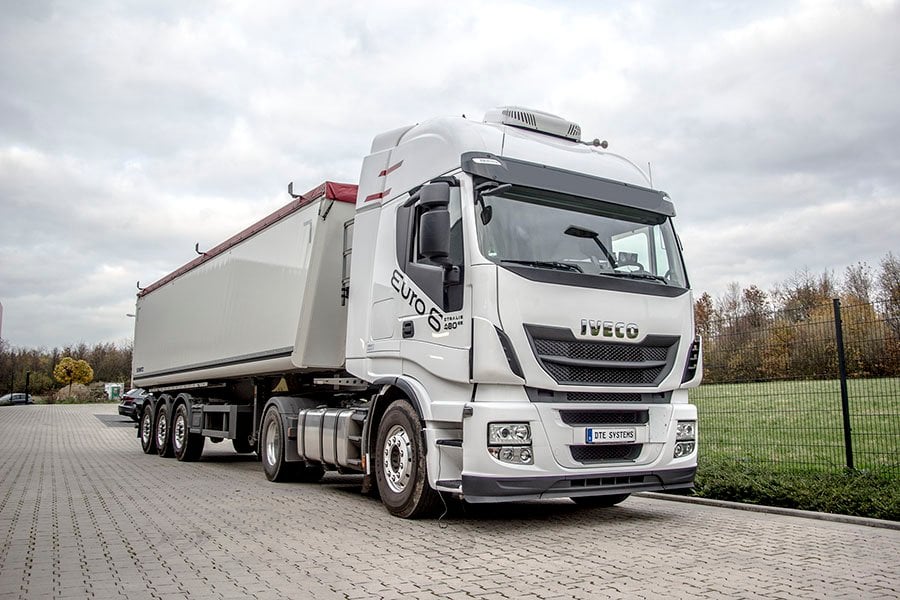
Find your distributor
What is the AdBlue/SCR system?
The AdBlue system, also known as SCR (Selective Catalytic Reduction), is an exhaust after-treatment technology fitted to modern diesel vehicles since the Euro 6 standard. Its main purpose is to reduce emissions of nitrogen oxides (NOx), pollutants that are highly harmful to human health and the environment.
The system works by injecting a urea solution (32.5% urea + 67.5% demineralized water) into the exhaust gas flow before the SCR catalyst. At high temperatures, this solution breaks down into ammonia (NH3), which reacts chemically with NOx to turn it into inert nitrogen (N2) and water vapor (H2O).
System components
- Heated AdBlue tank
- Urea dosing pump
- AdBlue injector
- SCR catalyst
- NOx sensors (upstream and downstream of the catalyst)
- AdBlue temperature sensor
- DCU (Dosing Control Unit)
Typical consumption
- Passenger cars: 1-2 liters per 1,000 km
- Vans: 2-3 liters per 1,000 km
- trucks: 5-6% of fuel consumption
- Agricultural machinery: varies with load
Consumption varies with driving style, load and operating conditions.
Common AdBlue system problems
AdBlue crystallization
AdBlue can crystallize at sub-zero temperatures or when contaminated, clogging the injector and system lines and causing dosing faults.
SCR injector failure
The AdBlue injector is prone to clogging and damage from crystallization. Replacing it is expensive (€300-800) and requires professional calibration.
Faulty NOx sensors
The upstream and downstream NOx sensors can fail and send incorrect readings that trigger limp mode and limit the vehicle's power.
Failed dosing pump
The pump that delivers the AdBlue can fail due to contamination or wear. Replacement costs range from €500 to €1,500 depending on the vehicle.
Tank heater
The tank heating system prevents freezing. If it fails, the AdBlue freezes at -11°C (12°F), preventing the engine from starting.
Emergency / limp mode
When it detects a fault, the vehicle goes into limp mode, limiting speed to 20 km/h (12 mph) or preventing new starts until the system is repaired.
Frequently Asked Questions
What does an AdBlue system delete involve?
The delete consists of reprogramming the vehicle's ECU to deactivate the functions related to the SCR/AdBlue system. This includes removing the fault codes, deactivating the start and speed limitations, and simulating the sensor values so the vehicle runs normally without the need for AdBlue.
Is it legal to delete the AdBlue system?
It is NOT legal in most countries for vehicles driven on public roads. This service is intended exclusively for: competition vehicles, agricultural/industrial machinery that is not driven on the road and is not required to comply with emission regulations that call for it, vehicles intended for export to countries where it is legal, and areas where no AdBlue supply is available.
Will any warning lights stay on after the delete?
No. Our professional tune completely removes the fault codes related to the AdBlue system and simulates the sensor values, so no warning light will remain on in the instrument cluster and no fault codes will be stored.
Do the system components have to be physically removed?
It is not mandatory. The delete is purely electronic, through ECU reprogramming. The physical components (tank, pump, injector, sensors) can stay installed without affecting operation. If the customer wishes, they can be removed later, but it is not necessary for the vehicle to work properly.
What types of vehicles can be deleted?
We work with all types of diesel vehicles equipped with an AdBlue/SCR system: passenger cars, vans, trucks, buses, tractors, combine harvesters and industrial machinery. We have specific solutions for the main makes: Mercedes-Benz, BMW, Audi, Volkswagen, Volvo, Scania, DAF, MAN, Iveco, John Deere and New Holland, among others.
Related fault guides and codes
More guides: AdBlue fault in trucks and tractors, fault code guides.
Legal notice:
ReproRACE provides a global electronic modification service in many countries around the world. Users must check the legal regulations in their own country. ReproRACE does not offer emission control system deletes where they are not legal; in those places, use is limited to competition vehicles that are not driven on public roads.
Have questions? Contact us
Send
Related faults and codes
If your vehicle already has a symptom or a fault code, these guides explain the cause and what to check before touching the ECU.