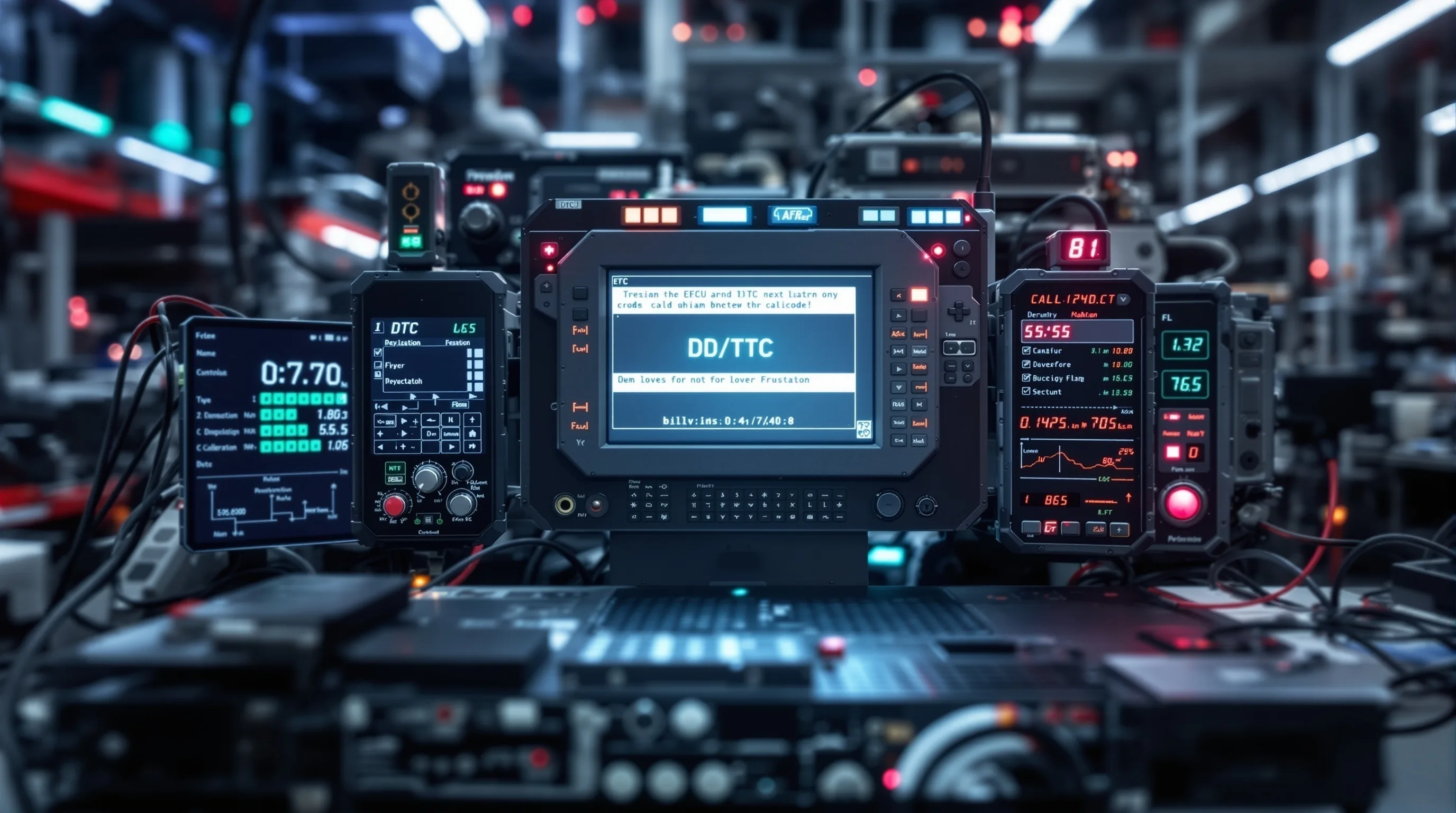
Power loss is one of the most common symptoms in modern vehicles and, at the same time, one of the most complex to diagnose.
Introduction
.imported-article{ --bg: #06110B; --card: #12281A; --ink: #F5F7FA; --muted: #AEB8C2; --accent: #58CF0D; --accent-light: #7FE836; --accent-2: #7FE836; --line: #1C3624; --line-light: #16321F; --shadow: 0 4px 24px rgba(0,0,0,0.35); --shadow-lg: 0 12px 48px rgba(0,0,0,0.45); --radius: 12px; --radius-sm: 8px; } .imported-article *{ box-sizing: border-box; margin: 0; padding: 0; } .imported-article{ font-size: 16px; scroll-behavior: smooth; } .imported-article{ font-family: "Mona Sans", system-ui, sans-serif; color: var(--ink); background: var(--bg); line-height: 1.75; font-weight: 400; -webkit-font-smoothing: antialiased; -moz-osx-font-smoothing: grayscale; } .imported-article a{ color: var(--accent-2); text-decoration: none; transition: color 0.2s ease; } .imported-article a:hover{ color: var(--accent); text-decoration: underline; } .imported-article .container{ max-width: 800px; margin: 0 auto; padding: 40px 24px 80px; } .imported-article /* Header / Hero */ .hero{ background: linear-gradient(135deg, var(--card) 0%, var(--line-light) 100%); border: 1px solid var(--line); border-radius: var(--radius); padding: 40px 36px; margin-bottom: 32px; box-shadow: var(--shadow); } .imported-article .badge{ display: inline-flex; align-items: center; font-family: "Mona Sans", system-ui, sans-serif; font-size: 0.75rem; font-weight: 600; letter-spacing: 0.05em; text-transform: uppercase; color: var(--accent); background: rgba(88, 207, 13, 0.14); padding: 8px 14px; border-radius: 20px; margin-bottom: 20px; } .imported-article .meta{ display: flex; align-items: center; gap: 16px; font-family: "Mona Sans", system-ui, sans-serif; font-size: 0.875rem; color: var(--muted); margin-bottom: 16px; } .imported-article .meta-item{ display: flex; align-items: center; gap: 6px; } .imported-article h1{ font-family: "Mona Sans", system-ui, sans-serif; font-size: 2.25rem; font-weight: 900; line-height: 1.2; letter-spacing: -0.02em; color: var(--ink); margin-bottom: 16px; } .imported-article .subtitle{ font-size: 1.125rem; color: var(--muted); line-height: 1.6; max-width: 90%; } .imported-article /* Table of Contents */ .toc{ margin-top: 28px; padding: 24px; background: rgba(255,255,255,0.04); border: 1px solid var(--line); border-radius: var(--radius-sm); } .imported-article .toc-title{ font-family: "Mona Sans", system-ui, sans-serif; text-transform: uppercase; letter-spacing: 0.08em; font-size: 0.75rem; font-weight: 600; color: var(--accent); margin-bottom: 12px; } .imported-article .toc ul{ list-style: none; } .imported-article .toc li{ margin: 8px 0; font-family: "Mona Sans", system-ui, sans-serif; font-size: 0.9rem; } .imported-article .toc a{ color: var(--ink); } .imported-article .toc a:hover{ color: var(--accent); } .imported-article .toc .toc-sub{ margin-left: 20px; font-size: 0.85rem; color: var(--muted); } .imported-article /* Article Content */ .article{ background: var(--card); border-radius: var(--radius); border: 1px solid var(--line); padding: 48px 40px; box-shadow: var(--shadow); } .imported-article .article h2{ font-family: "Mona Sans", system-ui, sans-serif; font-size: 1.625rem; font-weight: 700; margin: 2.5rem 0 1rem; padding-top: 1.5rem; border-top: 1px solid var(--line-light); color: var(--ink); letter-spacing: -0.01em; } .imported-article .article h2:first-child{ margin-top: 0; padding-top: 0; border-top: none; } .imported-article .article h3{ font-family: "Mona Sans", system-ui, sans-serif; font-size: 1.25rem; font-weight: 700; margin: 1.75rem 0 0.75rem; color: var(--ink); } .imported-article .article p{ margin: 1rem 0; font-size: 1.0625rem; } .imported-article .article ul, .imported-article .article ol{ margin: 1rem 0 1.25rem 1.5rem; } .imported-article .article li{ margin: 0.5rem 0; font-size: 1.0625rem; } .imported-article .article li::marker{ color: var(--accent); } .imported-article .article strong{ font-weight: 600; color: var(--ink); } .imported-article .article hr{ border: none; height: 1px; background: var(--line-light); margin: 2rem 0; } .imported-article /* Tags */ .tags{ margin-top: 3rem; padding-top: 2rem; border-top: 1px solid var(--line); } .imported-article .tags h2{ font-family: "Mona Sans", system-ui, sans-serif; font-size: 0.875rem; font-weight: 600; text-transform: uppercase; letter-spacing: 0.05em; color: var(--muted); margin-bottom: 12px; border: none; padding: 0; } .imported-article .tag-list{ list-style: none; display: flex; flex-wrap: wrap; gap: 8px; } .imported-article .tag-list li{ font-family: "Mona Sans", system-ui, sans-serif; background: var(--line-light); border: 1px solid var(--line); border-radius: 20px; padding: 6px 14px; font-size: 0.8125rem; font-weight: 500; color: var(--muted); transition: all 0.2s ease; } .imported-article .tag-list li:hover{ background: rgba(88, 207, 13, 0.14); border-color: var(--accent); color: var(--accent); } .imported-article /* Footer */ .footer{ text-align: center; font-family: "Mona Sans", system-ui, sans-serif; color: var(--muted); font-size: 0.875rem; margin-top: 40px; padding-top: 24px; border-top: 1px solid var(--line); } .imported-article .footer a{ color: var(--accent); font-weight: 500; } .imported-article /* Responsive */ @media (max-width: 768px){ .container { padding: 24px 16px 60px; } .hero { padding: 28px 24px; } h1 { font-size: 1.75rem; } .article { padding: 32px 24px; } .article h2 { font-size: 1.375rem; } .article p, .article li { font-size: 1rem; } .meta { flex-wrap: wrap; gap: 10px; } } .imported-article /* Print styles */ @media print{ .toc, .tags, .badge, .footer { display: none; } .hero, .article { box-shadow: none; border: none; } body { font-size: 12pt; } } .imported-article .container{max-width:100%;padding:0;margin:0;}.meta{display:flex;flex-wrap:wrap;gap:8px 18px;align-items:center}.meta-item{display:inline-flex;gap:6px;align-items:center}.meta-item svg{width:16px;height:16px;flex:none} ReproRACE - Technical Guide By the ReproRACE Team 10 min read Contents Why electronics have a direct impact on engine power What electronic power loss really is Common causes of power loss due to electronic faults 1\. Faults in air and pressure sensors 2\. Problems with the turbo system 3\. EGR valve malfunctions 4\. DPF clogging 5\. Faults in the AdBlue / SCR system 6\. Faults in the injection system 7\. Electrical or voltage problems The difference between gradual and sudden power loss Gradual power loss Sudden power loss Why power sometimes returns after switching off the engine The relationship between DTCs and power loss Common mistakes when trying to fix power loss Clearing fault codes without investigating Replacing parts “blindly” Ignoring early symptoms Sensors and systems that commonly cause power loss Relationship with limp mode Common DTCs associated with power loss False positives and operating conditions Why clearing the code does not fix power loss How electronic power loss should be diagnosed Live data that confirms the cause Common diagnostic mistakes Typical example of power loss Importance of electronic management for engine power Preventing power loss due to electronic failure Relationship between power loss and emissions Intermittent faults and occasional power loss Power loss in heavy and industrial machinery Conclusion Introduction The power loss is one of the most common symptoms in modern vehicles and, at the same time, one of the most complex to diagnose. When the engine stops responding as it should, struggles to accelerate, or enters limited operation, in most cases the cause is an electronic fault detected by the ECU . Understanding power loss due to electronic failure , its common causes, and the correct way to diagnose it is key to avoiding unnecessary component replacements, costly repairs, and recurring problems. In this article, we take an in-depth look at why it happens, which systems are involved, and how a professional diagnosis should be approached. Why electronics directly affect engine power In today's engines, power does not depend solely on mechanical components. The ECU electronically manages critical parameters such as: Injection quantity and timing Turbo pressure Intake air management Emissions control systems Protection strategies When the ECU detects an inconsistency in any of these systems, it may reduce power as a precaution to protect the engine and comply with regulations. What an electronic loss of power really is An loss of power due to an electronic fault does not necessarily mean there is a serious mechanical failure. In many cases, it is: A protection strategy An automatic adjustment A temporary limitation The engine “could” produce more power, but the ECU decides not to allow it because it detects a potential risk. Common causes of power loss due to electronic faults Below, we detail the most common causes of electronic power loss , grouped by system. 1\. Faults in air and pressure sensors Sensors such as: MAF sensor (air mass) MAP sensor (intake pressure) if they send incorrect values, the ECU: Reduces the amount of fuel Limits turbo boost pressure Adjusts power to safe levels This results in a sluggish engine with little pull. 2\. Problems with the turbo system The turbo is controlled entirely electronically. Faults in: Variable geometry Solenoid valves Pressure sensors cause discrepancies between requested and actual pressure, triggering power limitation . 3\. EGR valve failures A faulty EGR can: Introduce excess gases Reduce available oxygen Affect combustion The ECU detects this situation and reduces power to prevent emissions from exceeding the permitted range. 4\. DPF saturation A saturated DPF increases exhaust backpressure. To protect the: Turbocharger Engine Exhaust system the ECU reduces engine load, causing a noticeable loss of power. 5\. AdBlue / SCR system failures When the AdBlue system is not working correctly, regulations require the ECU to: Limit power Activate limp mode Restrict operation This is one of the most common causes in Euro 6 vehicles\. 6\. Fuel injection system failures Problems with: Injectors Rail pressure Associated sensors trigger power-reduction strategies to prevent damage and improper combustion. 7\. Electrical or voltage problems Incorrect voltage from the: Battery Alternator Ground connections can generate multiple electronic errors and cause intermittent power loss . Difference between gradual and sudden power loss Gradual power loss Worsens over time Usually related to dirt, wear, or clogging Common with EGR and DPF systems Sudden power loss Occurs suddenly Often triggers limp mode Common with sensors, the turbo, or electrical faults Identifying the type of power loss helps guide the diagnosis. Why power sometimes returns after turning off the engine Many drivers experience the following: Turn off the car Start it again The engine regains power This happens because the ECU resets temporary strategies. However, the cause is still present and the power loss will return. Relationship between DTCs and power loss In almost every case of electronic power loss, there are stored DTC codes in the ECU. These codes indicate: Which system triggered the limitation Under what conditions Whether the protection is mild or severe That’s why correctly reading and analyzing DTCs is essential. Common mistakes when trying to resolve power loss Clearing errors without analyzing them Power may temporarily return, but the problem persists. Replacing parts “blindly” Replacing sensors or components without diagnosing the problem often leads to unnecessary costs. Ignoring early symptoms Mild power loss can turn into severe limp mode if no action is taken in time. Sensors and systems that commonly cause power loss The ECU limits power when it detects inconsistencies in critical systems. The most common are: MAF and MAP : if the actual air mass does not match the expected value, the ECU reduces torque to protect the air-fuel mixture and control emissions. Turbo pressure sensor : overboost or insufficient pressure triggers an immediate limitation. Temperature sensors : temperatures outside the normal range pose a thermal risk. EGR and DPF : recirculation faults or clogging affect combustion, and the ECU limits power. These faults do not always indicate a mechanical failure. Often, they are signal inconsistencies that the ECU interprets as a risk. Relationship with limp mode Power loss is usually the first stage of limp mode. The ECU reduces torque as a preventive measure. If the fault persists, it may activate more severe limitations: Reduced maximum engine speed. Partial turbo deactivation. Fuel injection safety strategies. Understanding this relationship helps avoid misdiagnosis: it’s not that the engine “can’t”; it’s that the ECU decides not to allow it. Common DTCs associated with power loss Some common codes include: P0299 (low turbo boost pressure). P0234 (turbo overboost). P0401/P0402 (EGR out of range). P2002/P2463 (DPF clogged). These DTCs are not definitive diagnoses. They indicate that the ECU detected an out-of-range value and applied a power limitation. False positives and operating conditions Power loss may occur only under certain conditions: high temperatures, sustained load, city driving, or interrupted regenerations. If the DTC is cleared without analyzing these conditions, the fault will return. That’s why diagnosis should reproduce the real-world scenario. Why clearing the code doesn’t fix power loss If the sensor or system is still out of range, the ECU will limit power again. Clearing the DTC only removes the warning temporarily and erases the context of the fault. The real solution is to correct the cause and verify that the parameters have returned to their expected range. How to diagnose an electronic power loss A professional diagnosis should include: Complete DTC scan Analysis of live data Comparison of requested and actual values Inspection of sensors and actuators Inspection of emissions control systems Only then can the real cause of the power loss . Live data that confirms the cause Diagnosis doesn’t end with the DTC. It must be validated using live data: Requested vs. actual turbo boost pressure. Measured vs. expected airflow. DPF differential pressure at different operating speeds. EGR status and exhaust gas temperature. If the actual values do not match the targets, the ECU reduces power. Analyzing these parameters helps identify the system responsible and avoids replacing components at random. Common diagnostic errors Replacing the turbo without checking the sensors . A misadjusted MAP sensor can make it seem like there is insufficient pressure. Ignoring EGR faults . Excessive recirculation reduces oxygen and causes a loss of torque. Failing to check the DPF . High backpressure limits power even when the turbo is working properly. Clearing codes without a road test . The fault reappears as soon as the same conditions occur again. Typical example of power loss A vehicle loses power going uphill but shows no smoke or unusual noises. A low turbo pressure DTC is recorded. Live data shows that the requested pressure is high, but the actual pressure is low. On inspection, a leak is found in the intake system. The turbo was not the problem. The electronic fault was a consequence of the leak. This example shows why diagnostics should be based on data, not just codes. The importance of electronic engine management for engine power Electronic calibration directly affects: How power is delivered When power is limited Which thresholds trigger protective measures Proper electronic management makes it possible to: Maintain performance Avoid unnecessary limitations Protect the engine intelligently Preventing power loss caused by electronic faults Some key recommendations: Regular maintenance Early diagnosis of warning indicators Pay attention to changes in engine behavior Use the vehicle appropriately for its design Prevention is always more cost-effective than repair. The relationship between power loss and emissions When the ECU detects that emissions may exceed permitted limits, it reduces power as a legally required measure. This can happen when the EGR, DPF, or AdBlue system fails. The engine could deliver more power, but the ECU prioritizes compliance with regulations. That’s why many cases of power loss are not due to a “mechanical deficiency,” but rather to emissions control. Intermittent faults and occasional power loss Some cases of power loss come and go. They are usually related to: Sensors with a slow response. Poorly connected connectors. Specific temperature conditions. If diagnostics are performed only when the engine is cold or stationary, the problem can easily go undetected. The solution is to reproduce real-world conditions and analyze data under load. Power loss in heavy-duty and industrial machinery In trucks, tractors, and industrial machinery, power loss: Reduces productivity Increases fuel consumption Causes unplanned downtime That’s why advanced electronic diagnostics are even more critical in these environments. Conclusion The power loss caused by an electronic fault is a protective measure, not a fault in itself. Understanding its causes, identifying the systems involved, and carrying out a proper diagnosis are key to resolving the problem effectively and for the long term. At ReproRACE, we take a technical, analytical, and preventative , always interpreting the engine’s electronic behavior before intervening. This approach makes it possible to distinguish between a preventive power limitation and a genuine physical fault. The result is a more accurate diagnosis, fewer unnecessary replacements, and a stable recovery of performance without compromising reliability or emissions. When the cause is properly corrected, the ECU stops limiting power and the engine returns to its normal operating map, without resorting to temporary fixes or patches. That is the goal of a thorough diagnosis: to restore power without sacrificing durability or compromising emissions compliance. With real data and sound technical judgment, power loss stops being a mystery and becomes a problem that can be solved. This approach prevents the problem from recurring and keeps the engine within its original safety parameters. Power returns when the system regains consistency, not when codes are cleared. That is the basis of a lasting, technically sound repair. No unnecessary replacements, with stable results. That is the criterion we apply in every case. Because real power depends on coherent electronics. Without coherence, the ECU will always impose limits. That principle guides every diagnostic strategy. And delivers reliable results in the long term. No shortcuts or assumptions. Just data and method. With real results—and no recurrence of the fault a few weeks later. Tags diesel particulate filter clogged DPF DPF regeneration DPF fault DPF cleaning engine electronics advanced diagnostics error code electronic fault specialist workshop Related ReproRACE services Car remapping Find your vehicle and check its power gains ReproRACE remapping workshops near you Stage 1 remapping Faults and fault codes ReproRACE — ReproRACE - engine electronics with a technical approach.